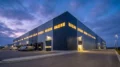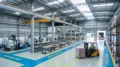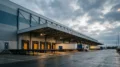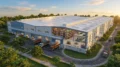
Manufacturing and logistics businesses across India entered 2026 with one common challenge: they need new warehouse capacity fast, but traditional RCC construction is slow, capital-heavy, and often unpredictable. Growing e-commerce, tighter delivery timelines, and expanding cold chain networks mean that waiting a year or more for a warehouse to be ready is simply not an option anymore. As a result, more Indian companies are shifting towards modern steel warehouse solutions that can be designed, manufactured, and installed in a fraction of the time, without compromising on quality or safety.
What is a pre engineered building warehouse?
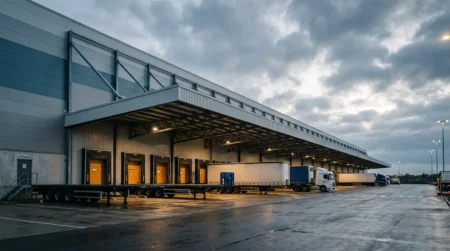
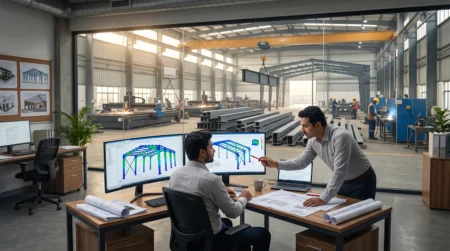
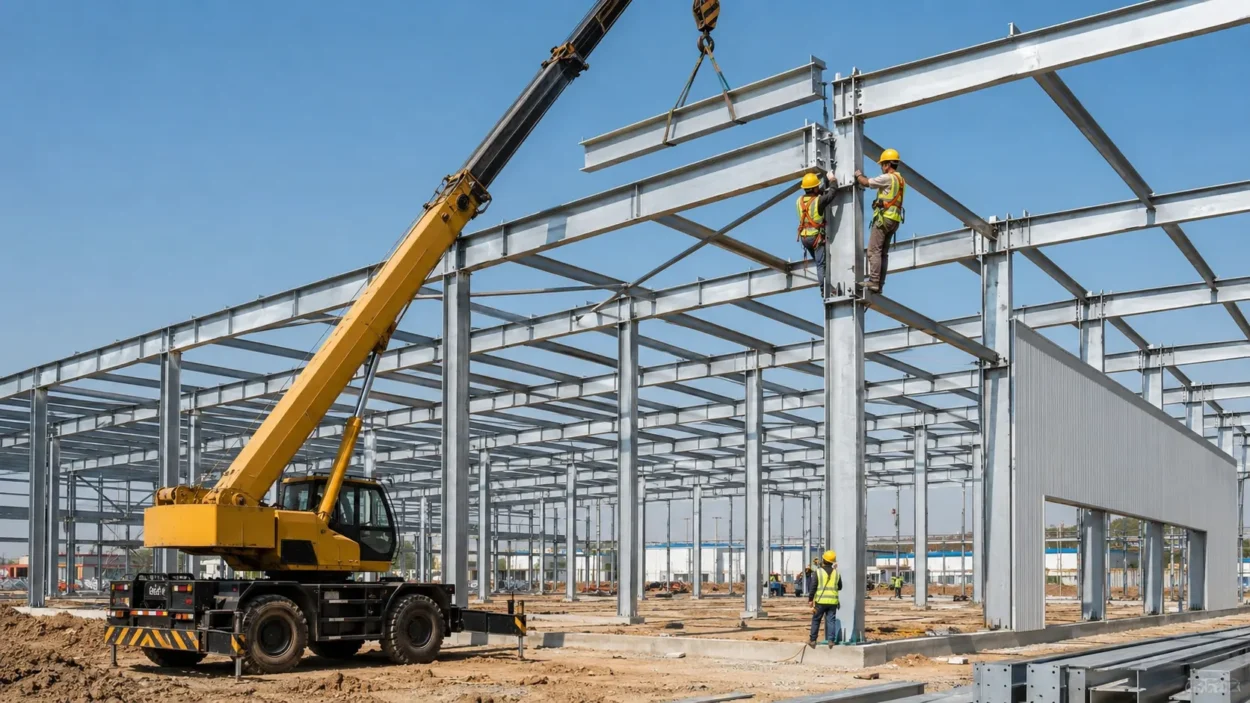
A pre engineered building warehouse is a steel structure where the main components—columns, rafters, purlins, and roof/wall panels—are designed and manufactured in a factory and then transported to site for quick bolted assembly. Because most fabrication happens off-site, the on-site work focuses mainly on foundations and fast erection, which drastically cuts project timelines compared to conventional methods.
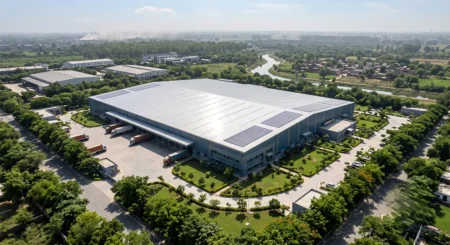
These pre engineered buildings (often called PEB warehouses) use optimised steel sections, standardized connections, and modular designs to deliver strong, durable, and cost-efficient storage space for sectors like logistics, FMCG, automotive, pharma, retail, and manufacturing. For Indian businesses, this means predictable construction schedules, easier budgeting, and warehouses that can scale with future demand.
Why pre engineered buildings matter in 2026
In 2026, India’s pre engineered buildings market is growing rapidly, driven by industrial expansion, logistics parks, and government initiatives like the National Logistics Policy and PM Gati Shakti that prioritise efficient warehousing infrastructure. Studies suggest that projects using pre engineered buildings can be completed up to 30–50% faster and often at 20–30% lower overall cost than conventional construction, mainly due to optimised steel usage, reduced labour, and shorter project durations.
At the same time, India’s warehousing and logistics sector is expanding quickly as e-commerce, 3PLs, and manufacturers seek strategically located, modern warehouses near major cities and transport corridors. In this environment, choosing a pre engineered building for your warehouse is not just a design preference; it becomes a strategic business decision that can directly impact speed-to-market, cash flow, and competitiveness.
Top 10 reasons to choose a pre engineered building for your warehouse in 2026
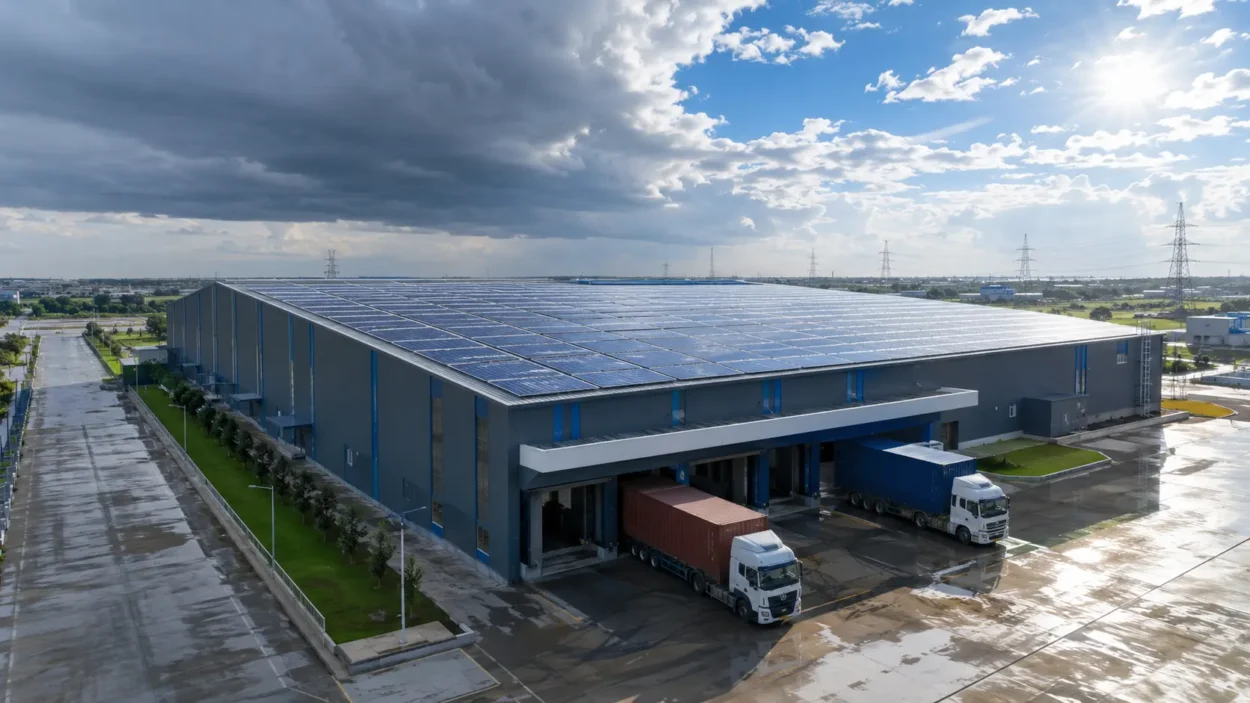
1. Much faster construction and earlier go-live
One of the biggest reasons to choose a pre engineered building for your warehouse is speed. Because the structural components are manufactured in a controlled factory while site work and foundations are executed in parallel, your project timeline shrinks dramatically. Many PEB warehouse projects are completed up to 50% faster than conventional RCC buildings, allowing businesses to start operations sooner and generate revenue earlier.
For a logistics firm racing to capture a new contract or a manufacturer expanding production, this time advantage can be the difference between winning and losing the opportunity. Additionally, faster completion also reduces overheads like site supervision costs, temporary facilities, and project financing interest.
2. Lower project cost and better ROI
Pre engineered building warehouses are engineered to minimise steel consumption and material wastage, which directly lowers structural cost without compromising safety. Because fabrication is precise and planned, there is far less on-site cutting, welding, and rework, which means lower labour and equipment costs as well.
When you combine reduced material wastage, fewer labour days, and shorter construction timelines, the overall project cost often comes out 20–25% lower than traditional construction, while the warehouse becomes operational much earlier. This combination leads to a quicker return on investment (ROI), making a pre engineered building warehouse highly attractive for cost-conscious Indian businesses in 2026.
3. Flexible, future-ready warehouse design
Another powerful reason to choose a pre engineered building for your warehouse is design flexibility. PEB systems allow large clear spans with minimal internal columns, which is ideal for high-density racking, wide forklift aisles, and automated material handling systems.
Moreover, you can easily customise bay spacing, building height, mezzanine floors, dock levels, ventilators, skylights, and insulated panels to match your exact operational needs—whether you run a bulk storage facility, a cold storage warehouse, or an e-commerce fulfillment centre. Later, if your business grows, pre engineered warehouses can be extended lengthwise or modified with minimal disruption, helping you scale without shifting locations.
4. High durability in Indian conditions
Indian warehouses face harsh summers, monsoon rains, dust, and in some regions, seismic activity. Pre engineered steel buildings are designed with high-tensile steel, corrosion-resistant coatings, and engineered connections that perform reliably under such conditions. Compared to many traditional sheds, PEB warehouses deliver superior structural integrity, better wind resistance, and excellent load-carrying capacity for heavy roofing systems and solar panels.
Because the components are engineered and tested in a factory environment, quality and consistency are easier to maintain. Therefore, the structure not only lasts longer but also requires fewer major repairs over its lifecycle, which further improves your total cost of ownership.
5. Easier expansion and relocation options
Business needs change quickly, especially in sectors like logistics, FMCG, and manufacturing. A big advantage of a pre engineered building warehouse is its modular nature, which makes expansion or modification straightforward. You can add new bays, extend the length, increase canopies, or add annex buildings with minimal disruption to ongoing operations.
In some cases, components of a pre engineered building can even be dismantled and re-erected at another site, which is practically impossible with RCC structures. This flexibility is extremely valuable if you operate leased land, temporary hubs, or evolving distribution networks in 2026’s dynamic market.
6. Better quality control and safer construction
In a pre engineered building system, most cutting, welding, drilling, and painting happens inside a factory that follows strict quality standards and inspections. As a result, on-site activities are largely limited to assembly with bolts and nuts, which reduces errors, improves safety, and speeds up erection.
This controlled approach not only enhances the performance of the final warehouse but also reduces on-site accidents compared to heavy in-situ fabrication and shuttering work commonly seen in traditional construction. For businesses that must maintain strict safety standards—such as large logistics parks or multinational manufacturers—this is a decisive reason to go with a pre engineered building for the warehouse project.
7. Energy efficiency and better working conditions
Modern pre engineered building warehouses can be equipped with insulated roof and wall panels, ventilators, ridge vents, turbo vents, and skylights that significantly improve energy efficiency and worker comfort. With the right combination of insulation and natural lighting, you can cut down on power consumption for cooling and artificial lighting, which is especially important given India’s rising energy costs.
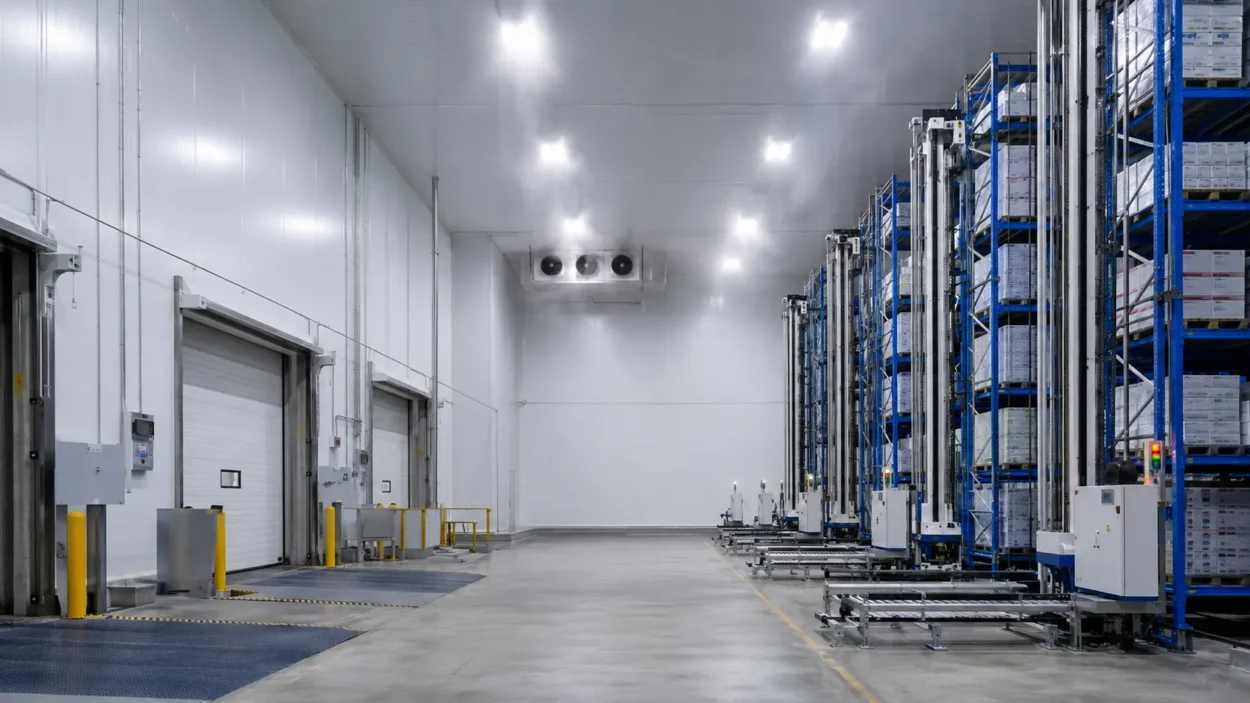
Furthermore, steel roofing profiles and insulation systems can be designed to reduce heat gain and manage condensation, creating healthier conditions for both people and stored goods. This is crucial for cold storage, pharma, food, and FMCG warehouses where temperature and humidity control affect product quality.
8. Optimised storage capacity and operations
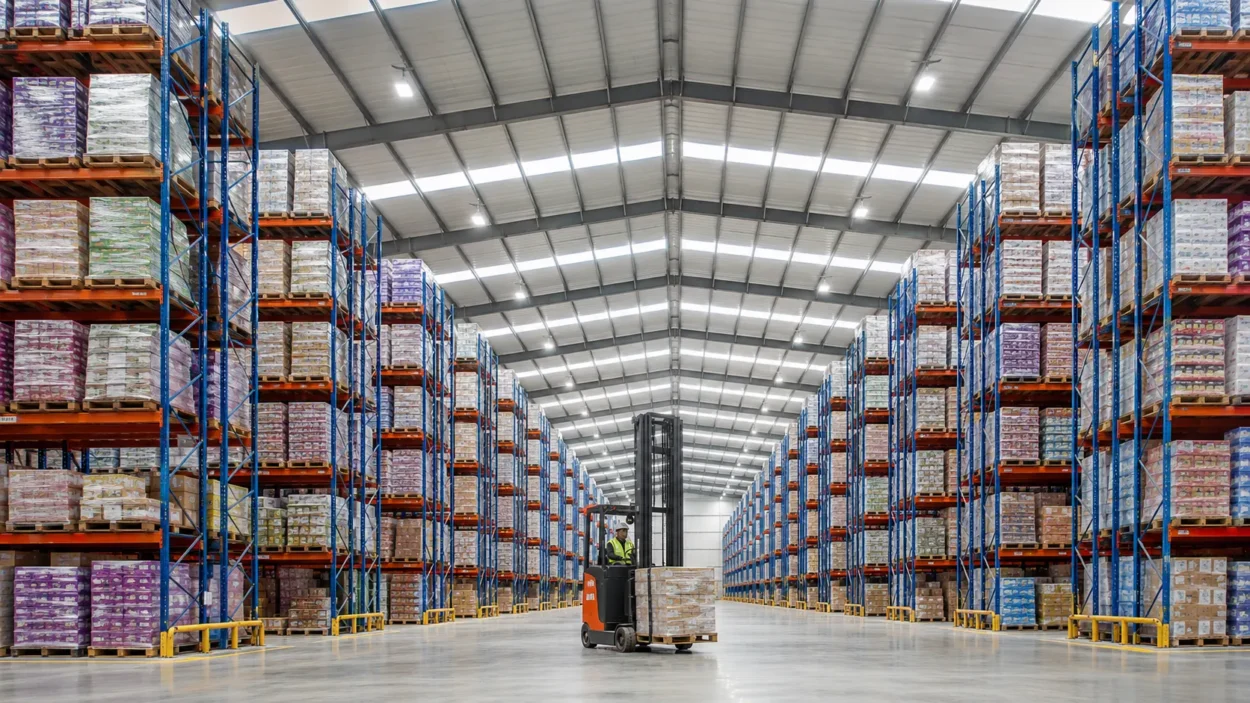
Because pre engineered warehouses allow greater clear span and height, you can plan efficient racking layouts, drive-in racking, and high-bay storage with minimal structural obstructions. This optimisation directly increases the number of pallets or units you can store per square metre of floor area.
Additionally, you can design dock levels, canopies, and circulation spaces around truck movements and material flow, resulting in smoother inbound and outbound operations. For fast-growing companies, this operational efficiency matters just as much as construction cost, which is another major reason to choose a pre engineered building for your warehouse in 2026.
9. Easier compliance and long-term reliability
Pre engineered building warehouses are typically designed as per relevant Indian and international codes for loads, seismic resistance, wind, and safety. Working with an experienced PEB warehouse manufacturer ensures that structural calculations, connection designs, and material specifications meet or exceed required standards.
Because of the engineered nature of the structure, documentation—such as design drawings, material test certificates, and quality reports—is more systematic. This makes statutory approvals, insurance, and future audits easier to handle, while giving business owners confidence that their warehouse is designed for long-term, compliant performance.
10. One-stop solution with a trusted PEB warehouse manufacturer
Finally, choosing a pre engineered building for your warehouse allows you to work with a specialised PEB warehouse manufacturer who can offer end-to-end support—from concept design and engineering to fabrication, erection, cladding, insulation, and finishing. Instead of coordinating multiple contractors for structure, roofing, cladding, and mezzanines, you get a single point of responsibility that simplifies project management and reduces delays. Metal Tree, for example, focuses specifically on pre engineered warehouses, factories, and commercial buildings in India, offering customised designs for logistics hubs, cold storage units, FMCG warehouses, and industrial storage. This integrated approach ensures consistent quality, faster decision-making, and smoother handover so you can start using your warehouse with confidence.
How pre engineered warehouses fit Indian business needs in 2026
In 2026, many Indian businesses are not just adding more space—they are restructuring their entire supply chains. National logistics corridors, multi-modal parks, and urban distribution centres all require warehouses that can be built quickly, expanded easily, and integrated with modern technology like automation and IoT. Pre engineered building warehouses are ideal for this shift because they are inherently modular, scalable, and compatible with automation-ready layouts and high-bay racking systems. Whether you are a manufacturing company adding a regional distribution centre or a logistics firm setting up a cross-dock facility, a PEB warehouse helps you stay agile in a fast-changing market.
Why choose Metal Tree for your pre engineered building warehouse?
Metal Tree specialises in designing and manufacturing pre engineered warehouses that are tailored to Indian conditions and business requirements. From the initial site study and layout planning to structural design, fabrication, and on-site erection, the team focuses on delivering cost-effective, durable, and quickly deployable steel warehouse solutions.
Their PEB warehouses are widely used for logistics hubs, cold storage, FMCG and retail warehouses, and industrial storage, with options for insulated panels, clear-span designs, and custom loading bays. Because Metal Tree manages the complete lifecycle—design, manufacturing, and installation—business owners get a smoother experience, better quality control, and strong after-sales support throughout the warehouse’s life.
Practical tips for planning a PEB warehouse in 2026
When you decide to go ahead with a pre engineered building for your warehouse, a bit of planning upfront will make the project smoother and more successful. Firstly, define your storage requirements clearly—pallet positions, product mix, racking type, and required clear height—so that the PEB design can be optimised around operations rather than just square footage.
Secondly, consider future expansion and technology upgrades while finalising the layout, because pre engineered building warehouses can be easily extended or adapted if you plan for this from the start. Finally, choose a PEB warehouse manufacturer with strong design capability, in-house fabrication, and proven projects in India, as this ensures both structural reliability and on-time delivery in 2026’s competitive environment.
FAQs on pre engineered building warehouses in India
Yes, in most cases a pre engineered building warehouse is more economical over the full project lifecycle. Optimised steel usage, reduced waste, lower labour requirements, and much faster completion collectively cut overall project cost and improve ROI.
Timelines vary with size and complexity, but many PEB warehouses can be completed 30–50% faster than conventional buildings because fabrication and foundation work happen in parallel and on-site work is mainly bolted assembly. For a mid-sized Indian warehouse, this can mean starting operations several months earlier than with RCC.
Properly designed pre engineered building warehouses use high-quality steel, protective coatings, and engineered connections, making them highly durable in India’s heat, rain, and wind conditions. With minimal maintenance and periodic inspections, they can deliver reliable performance for decades.
Absolutely. Pre engineered buildings can incorporate insulated sandwich panels, special vapour barriers, higher clear heights, mezzanines, and dock levellers to suit cold storage, e-commerce, or specialised industrial warehousing. This flexibility is one of the core reasons companies choose a pre engineered building for their warehouse operations in 2026.
Metal Tree brings focused expertise as a PEB warehouse manufacturer in India, delivering customised, cost-effective, and fast-to-build steel warehouses with strong design, fabrication, and on-site execution capabilities. This combination of technical strength and practical experience makes it a reliable partner for your next warehouse project.